Import Goods to Bali from China: 2027 Luxury Focus
Bali Luxury Import Editorial Desk 6 min read

In this article
- Why Bali Buyers Increasingly Source Premium Items from China
- Why Higher-End China Sourcing Needs a Different Approach
- Lead Times and Realistic Expectations
- Quality Control Before Goods Leave the Factory
- Common Categories in This Segment
- What Compliance Issues Come Up Most Often?
- Container Shipping Considerations
- How Duty and Tax Are Assessed on These Shipments
- Working with Chinese Manufacturers on Documentation
- Comparing China Sourcing to Other Origins for the Same Product
- What Buyers New to China Sourcing Should Ask Suppliers
- Getting Your China-Sourced Shipment Assessed
- Talk to the BD Juara Holding Group Desk About Your Shipment
Importing goods to Bali from China in 2027 covers a wide value range — from budget furnishings to higher-end furniture, lighting, and equipment — and this article focuses specifically on the higher-end segment, where duty, VAT, and compliance considerations differ meaningfully from mass-market imports. For buyers sourcing premium furniture, designer lighting, or specialized equipment from Chinese manufacturers, understanding these differences upfront avoids cost surprises later in the process.
Why Bali Buyers Increasingly Source Premium Items from China
China’s design and manufacturing capability for hospitality and high-end residential furniture has grown considerably, and a number of internationally recognized furniture and lighting brands now manufacture premium lines in Chinese factories to the same specifications used for their European or American product lines. For Bali-based hotel and villa projects working within a defined budget, this can mean access to design-led products at a different price point than sourcing exclusively from Europe, provided the compliance and quality-control side of the import is handled properly.
Why Higher-End China Sourcing Needs a Different Approach
China’s manufacturing base spans everything from low-cost mass production to genuinely premium, design-led furniture and lighting made for international luxury markets. Customs treatment doesn’t distinguish between these tiers based on marketing positioning — it responds to actual material, construction, and declared value. A buyer sourcing premium furniture from a reputable Chinese manufacturer should expect the same documentation rigor as sourcing from any other origin country, not a lighter process just because the shipment originates in China.
Lead Times and Realistic Expectations
Ocean freight from China to Bali, combined with production lead time for made-to-order furniture and lighting, means realistic project timelines should account for both stages rather than only the shipping leg. Buyers coordinating a hotel opening or villa handover date should confirm the factory’s production schedule before finalizing the order, and build shipping and customs clearance time on top of that as a separate, additional block of time in the project plan.
Quality Control Before Goods Leave the Factory
For higher-end shipments, pre-shipment quality inspection at the factory — checking finish, dimensions, and packaging against the original specification — is worth building into the process, particularly for a first order with a new supplier. Catching a quality issue before goods leave China is far less costly and disruptive than discovering it after a container has crossed the ocean and cleared Indonesian customs. Buyers working with a trading agent or import desk on the ground in China can often arrange this inspection as part of the shipment preparation process, catching finish or dimensional issues while they can still be corrected before packing.
Common Categories in This Segment
- Designer furniture and custom pieces — increasingly manufactured in China to European or in-house design specifications for hospitality and residential projects.
- Architectural and decorative lighting — a category where Chinese manufacturing has become a significant global source for premium fixtures.
- Specialized equipment components — certain hospitality or technical equipment parts sourced from Chinese suppliers as part of a larger project.
What Compliance Issues Come Up Most Often?
The most common friction points on higher-end China-sourced shipments are: invoices that understate value relative to the actual premium specification of the goods (sometimes a legacy of suppliers used to lower-value shipments), incomplete material specifications that complicate HS classification, and packaging that isn’t designed for the extended transit time of ocean freight to Indonesia. None of these are unique to China as an origin, but they show up often enough with premium furniture and lighting shipments that it’s worth flagging explicitly.
Container Shipping Considerations
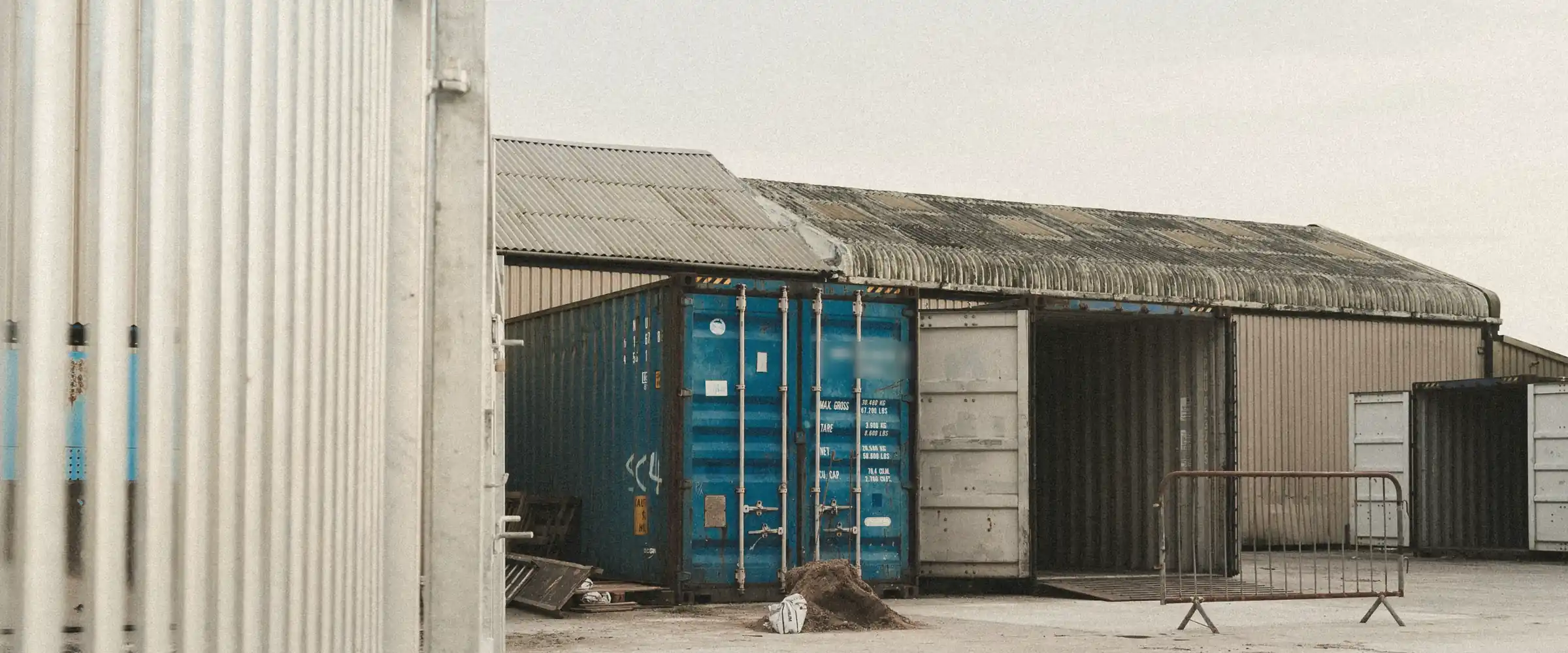
Furniture and lighting shipments from China to Bali typically move by ocean freight in consolidated or full containers, and the shipping route, consolidation strategy, and packing plan affect both cost and the condition goods arrive in. Fragile lighting fixtures and finished furniture surfaces benefit from professional export packing standards, which reputable manufacturers will offer but budget suppliers sometimes skip to cut costs — a false economy when the item is high-value. Our container import service coordinates this from the supplier’s factory through to Bali delivery.
How Duty and Tax Are Assessed on These Shipments
As with any origin, duty, VAT, and any applicable luxury-goods tax on China-sourced premium furniture or equipment are calculated based on HS classification and declared customs value — not on the fact that the goods originate in China. Buyers should not assume a flat “China import rate” exists; each shipment is assessed against its specific classification and value, exactly as it would be for goods sourced from Europe or elsewhere.
Working with Chinese Manufacturers on Documentation
Buyers working directly with Chinese factories — rather than through a trading company — should confirm early what export documentation the factory will provide, since factories accustomed to domestic or regional sales sometimes need explicit guidance on international export paperwork standards. Building this requirement into the purchase agreement, rather than discovering gaps after production is complete, saves significant time on the Indonesian import side.
Comparing China Sourcing to Other Origins for the Same Product
Buyers evaluating premium furniture or lighting sometimes compare a Chinese manufacturer’s quote directly against a European supplier’s quote without adjusting for the different documentation and shipping profile each origin carries. A fair comparison should account for total landed cost — including duty, freight, and any additional verification steps — not just the factory price, since the gap between a “cheap” China quote and a premium European quote often narrows once the full import picture is calculated properly.
What Buyers New to China Sourcing Should Ask Suppliers
- Can you provide a commercial invoice reflecting the actual agreed price? — essential for accurate customs valuation.
- What export packing standard do you use for international ocean freight? — relevant for fragile items like lighting and finished furniture surfaces.
- Can you provide material specifications in writing? — needed for accurate HS classification on the Indonesian side.
Suppliers accustomed to working with international luxury or hospitality buyers will generally answer these questions readily; hesitation on any of them is worth treating as a flag before committing to a purchase order.
Getting Your China-Sourced Shipment Assessed
Whether you’re importing a single designer lighting order or a full furniture package for a Bali project, share your supplier’s specification sheet and invoice with our desk for a case-by-case review of documentation, classification, and realistic cost. See also our container import service and Bali customs clearance service for the clearance side of the process.
Talk to the BD Juara Holding Group Desk About Your Shipment
Every shipment has its own HS classification, customs value, and documentation profile, so an accurate duty and tax estimate can only be given once the desk has reviewed your specific case. Send the item details, country of origin, and target shipping window to WhatsApp +62 811-3941-4563 or email bd@juaraholding.com, and the BD Juara Holding Group desk will respond with a case-by-case estimate and next steps.