
Art & Decor Import · Antiques
Bali Antiques Import Concierge
Aged and collectible pieces into Indonesia — provenance paperwork, HS-code classification, CITES screening, tropical-grade crating and door-to-door delivery to your villa in Canggu, Ubud or Sanur, through official customs channels only.
A colonial teak cabinet or a Qing-dynasty altar table crosses age rules, restricted-material law and origin-country export controls before it meets Indonesian customs.
Exhibit 01 · The scope
What Does a Bali Antiques Import Concierge Handle?
Everything from pre-purchase screening to white-glove placement.
Before you bid in London or wire a dealer in Amsterdam, we check whether the materials trigger CITES restrictions, whether the origin country will lawfully release the piece, and the indicative landed cost once bea masuk, PPN and, for some categories, PPnBM are assessed on CIF value.
After purchase, we coordinate specialist packers at origin, book freight, place the customs file with a vetted licensed broker under power of attorney, and deliver with unpacking and crate removal.
Bali Luxury Import is the import-concierge desk of Juara Holding Group, not a licensed customs, legal or tax adviser. Final duty is always determined by Direktorat Jenderal Bea dan Cukai.
Exhibit 02 · The classification
How Does Indonesian Customs Treat Antiques?
Indonesian customs has no lane for “old furniture”; it has HS codes.
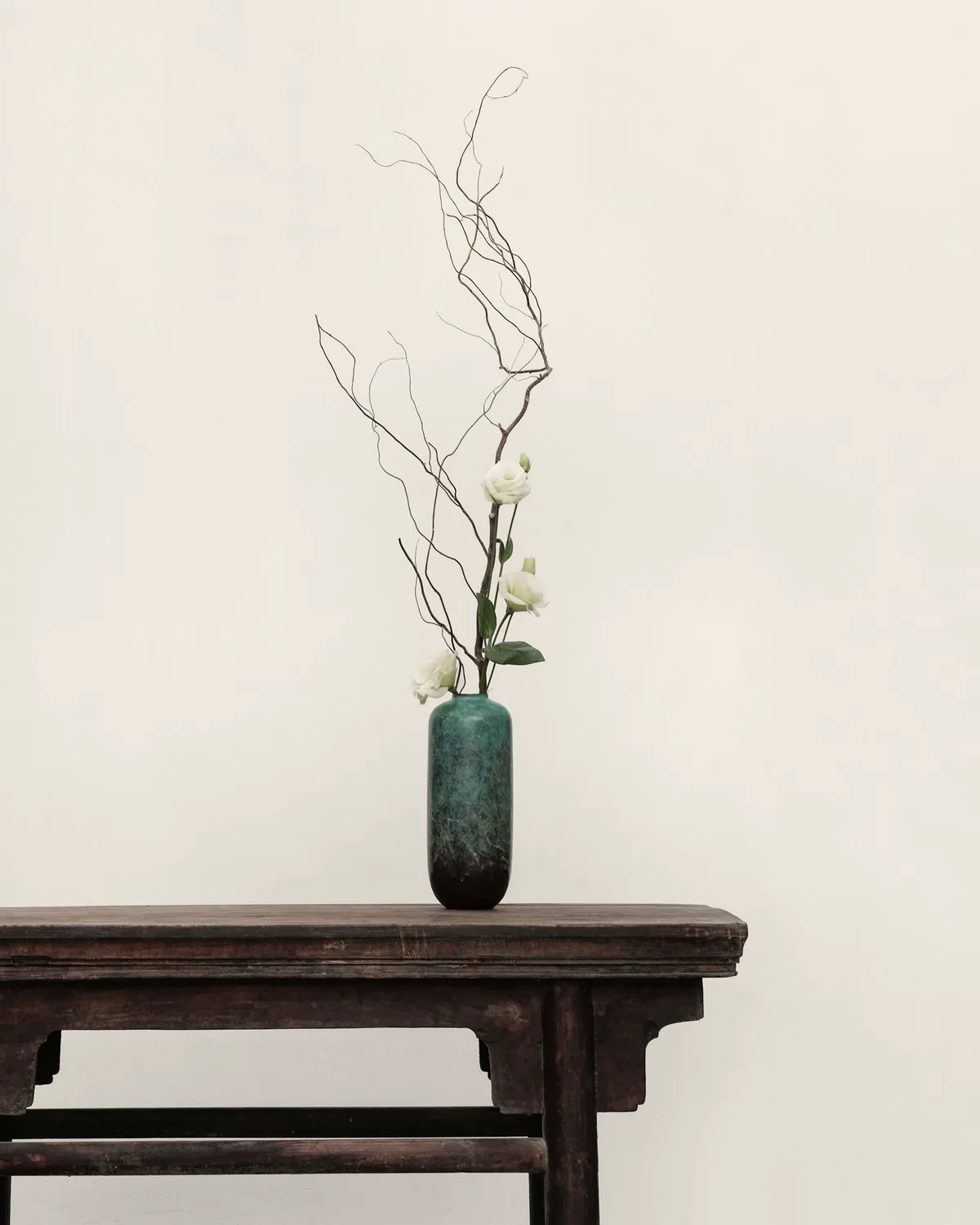
Genuine antiques exceeding one hundred years of age fall under HS heading 97.06, while a 1950s Danish sideboard classifies as furniture. Classification drives how bea masuk, PPN and PPnBM are assessed on CIF value (cost + insurance + freight) — so age evidence is commercial paperwork, not decoration.
We publish no duty percentages: final assessment belongs to Direktorat Jenderal Bea dan Cukai, and any figure in our quotes is indicative, dated and subject to change. High-value aged cargo is a natural candidate for red-channel physical inspection, so crates are built to be opened and resealed without damage, and broker partners attend.
We never “manage” the declared value downward. Mis-declaration can end in fines and confiscation — catastrophic for an irreplaceable piece.
Exhibit 03 · The restrictions
Which Antiques Face Cultural or CITES Restrictions?
Some materials and categories cannot travel at all, so we screen them before any quote.
If a temple fragment cannot show a lawful export chain, we will not move it, and we say so on the first call. Indonesia protects designated cultural-heritage objects, and origin countries from Italy to China restrict antiquities exports. The honest alternative is a documented piece of similar period, or a licensed replica.
Exhibit 04 · The climate
How Should Antiques Be Packed for Bali’s Climate?
Tropical humidity is the quiet destroyer of old objects: veneer lifts, gilding blooms, mould colonises textiles within weeks.
- 01 Moisture-barrier packing with desiccant
- 02 Tropical-grade crating elevated off the container floor
- 03 Climate-controlled storage in Badung if your villa is not ready
For fragile marquetry or lacquer we recommend air freight — faster and gentler than weeks at sea.
Exhibit 05 · The cost
What Do Antiques Imports Cost and How Long Do They Take?
Indicative desk estimates as of July 2026, excluding bea masuk, PPN and PPnBM, which are assessed on CIF value at clearance.
Subject to change. Air freight lands at Ngurah Rai’s cargo terminal in Tuban; sea freight tranships through Jakarta or Surabaya — cheaper per cubic metre, slower in weeks. Uncleared cargo accrues storage and demurrage at port, so we pre-file paperwork before the vessel arrives.
Exhibit 06 · The checklist
What Belongs on Your Antiques Pre-Shipment Checklist?
Run this list before any deposit leaves your account.
Missing a line? Send what you have — closing gaps is what the concierge fee pays for.

Exhibit 07 · The procedure
How Does Booking Work?
- 01 Send the piece Photos, dimensions, materials, stated age and origin country, by WhatsApp or form.
- 02 Screening report Restriction flags, the broker’s HS view and a dated landed-cost band, in about five working days.
- 03 Green light and paperwork Provenance file, NPWP position confirmed, power of attorney placed with a licensed broker.
- 04 Pack and ship Specialist packers crate behind moisture barriers; air or sea booked, tracking shared.
- 05 Clear and deliver Broker attends clearance, duties paid as assessed, piece placed at your villa.
The concierge desk
Ready to Screen Your First Piece?
Send photos and the origin country, and the desk replies with an honest first read — including a clear no where the law says no. Every cost indication is dated and subject to change.
WhatsApp +62 811-3941-4563 bd@juaraholding.com
Part of Juara Holding Group — operating from Bali across Indonesia since 2015.
Exhibit 08 · Asked most