Bonded Warehouse & Storage in Indonesia for Bali Expats
Bali Luxury Import Editorial Desk 7 min read
In this article
- What Counts as Bonded Storage in Indonesia?
- When Do Collectors and Villa Buyers Stage Their Imports?
- How Does Duty Deferral Actually Work at Release?
- How Do You Keep Stored Valuables Safe From Bali’s Humidity?
- What Does 2027 Look Like for Expat Storage Demand?
- Frequently Asked Questions
- Can an expat rent bonded warehouse space directly in Indonesia?
- Does duty stop accruing while goods sit in bonded storage?
- Is there climate-controlled storage near Canggu or Seminyak for cleared goods?
Bonded warehouse storage lets Bali-bound importers defer import duty, PPN and any PPnBM until goods are released — taxes are assessed at release on CIF value under Bea Cukai supervision, not waived. As Bali’s import concierge, Bali Luxury Import stages furniture, art and vehicle shipments through bonded and climate-controlled storage so duty falls due only when you are ready to receive them.
That deferral matters more in 2026 than it did five years ago. By early 2026 Bali had shifted from short-stay tourism toward a long-stay lifestyle destination led by expat families and remote professionals, and long-stay households import in stages: a container now, a collection later, a vehicle when the paperwork clears. Storage is the hinge that makes staged importing work.
What Counts as Bonded Storage in Indonesia?
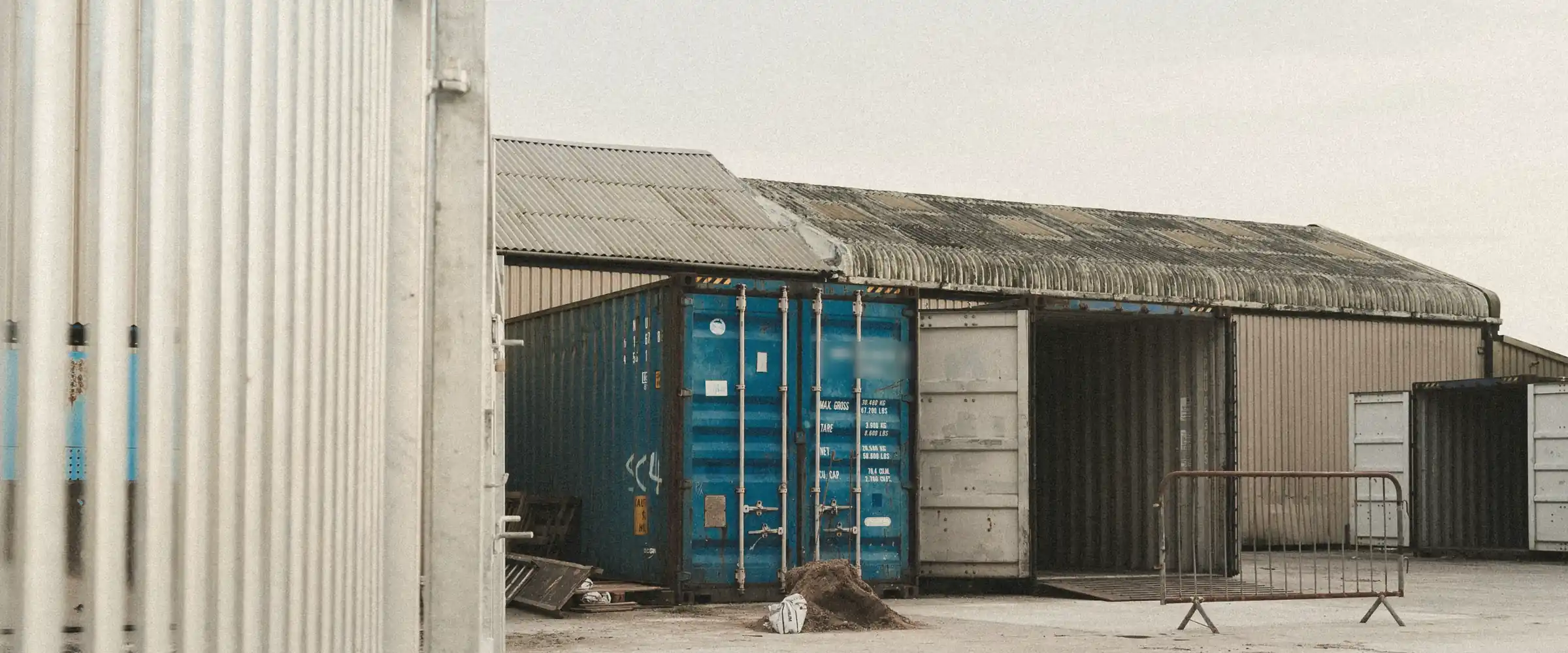
A bonded warehouse — gudang berikat — is a licensed facility where imported goods sit under the supervision of Direktorat Jenderal Bea dan Cukai without duty being paid on entry. The goods have arrived in Indonesia physically, but not yet fiscally. Import duty, PPN and, for qualifying luxury categories, PPnBM are assessed only when the goods leave the bonded regime and enter free circulation.
That is different from the two other storage situations expats meet:
| Storage type | Duty status | Who runs it | Best suited for |
|---|---|---|---|
| Bonded warehouse (gudang berikat) | Deferred until release | Licensed operator under Bea Cukai supervision | Staged imports, collections awaiting a villa handover |
| Temporary port or airport storage (TPS) | Unpaid, but storage and demurrage fees accrue daily | Port or airport terminal | Short clearance gaps only — days, not months |
| Private climate-controlled storage in Bali | Duty already settled at clearance | Commercial storage operator | Long-term keeping of cleared furniture, art and textiles |
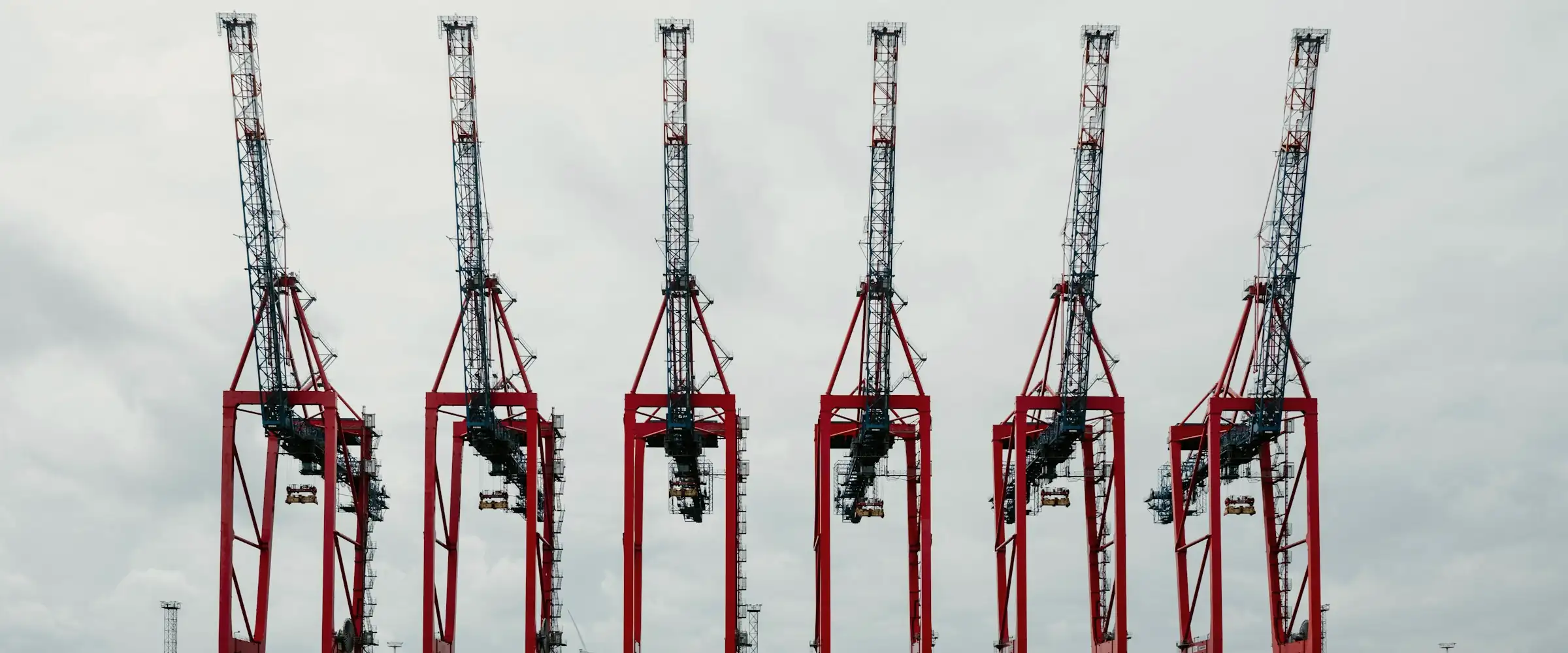
The practical geography matters. Most Indonesian bonded capacity clusters around Java’s port hubs — Jakarta and Surabaya — because that is where deep-sea containers land before onward transhipment to Bali. The island’s own cargo gateway is Ngurah Rai Airport’s terminal in Tuban, Badung. Bali-side bonded options are narrower, so many staged-import plans hold goods in a Java facility first and call them forward only when the client is ready.
When Do Collectors and Villa Buyers Stage Their Imports?
Bali property sales grew 6.4% year-on-year in 2024 on foreign investment, and a fit-out rarely lands the same week a villa does. Staging through storage solves four recurring situations:
- The handover gap. A 40ft container of furniture is ready before the villa in Canggu or Sanur is. Bonded storage holds it — duty unpaid — until keys change hands.
- The consolidated collection. Collectors buying art or antiques across several countries build up LCL shipments over months, then clear everything in one assessed release instead of five.
- The vehicle wait. Vehicles carry their own approvals and registration timelines, so a collector shipping a coupé alongside household goods usually stages the car separately; our guide to Bali classic car import walks through those vehicle storage scenarios in detail.
- The undecided move. Families trialling a year in Ubud or Seminyak on a KITAS or Second Home visa may not want to commit duty on a full household until they commit to Bali.
Air freight still has its place: fragile, high-value, needed-now pieces fly straight to Tuban at a substantially higher rate, while sea freight in 20ft or 40ft containers — full-container FCL or consolidated LCL — carries everything that can wait.
How Does Duty Deferral Actually Work at Release?
Nothing is waived; the bill is parked. When you instruct release, your customs broker — acting under power of attorney, usually against your NPWP tax number — files the declaration. Bea Cukai then assesses import duty, PPN and any PPnBM on the CIF value (cost, insurance, freight) according to each item’s HS-code classification, and routes the shipment through red-channel physical inspection or green-channel document review.
Three honest caveats, as of 2026 and subject to change:
- Deferral is not a discount. The same assessment applies at release as would have applied at import. The benefit is timing and cash flow, not rate.
- Storage has its own cost. Bonded and climate-controlled space is billed monthly; indicative Bali quotes for climate-controlled rooms run roughly USD 8–18 per cubic metre per month in 2026, subject to change and specification.
- Final figures are never ours to promise. Every estimate we prepare is indicative and dated. Final duty is determined by Direktorat Jenderal Bea dan Cukai at assessment, and declarations must be accurate — mis-declaration can bring fines and confiscation.
One timing rule saves the most money: get cargo out of the terminal quickly. Uncleared cargo accrues storage and demurrage fees at port, which is why we treat TPS as a corridor, never a plan.
How Do You Keep Stored Valuables Safe From Bali’s Humidity?
Bali’s tropical humidity is the quiet enemy of stored value: mold on upholstery, warped veneers, foxing on works on paper, corrosion on hardware. Storage that defers duty but ruins the goods defers nothing worth having.
| Stored item | Main humidity risk | Mitigation we specify |
|---|---|---|
| Solid-wood furniture | Warping, joint movement, mold | Tropical-grade crating, moisture-barrier wrap, off-floor pallets |
| Art and textiles | Mold, foxing, fibre damage | Climate-controlled rooms, desiccant packs, scheduled inspections |
| Vehicles | Corrosion, perished rubber, electrics | Sealed climate-controlled bays, battery maintenance, breathable covers |
Two paperwork notes worth planning around, as of 2026: wood furniture entering Indonesia requires timber-legality paperwork (SVLK or FSC) and may need fumigation or phytosanitary certificates before it ever reaches a warehouse shelf, and phones or other cellular electronics require IMEI registration in Indonesia. Storage postpones duty; it does not postpone either of those.
What Does 2027 Look Like for Expat Storage Demand?
A forward-looking view, stated July 2026 — an outlook, not a prediction. The signals worth watching: by early 2026 Bali had clearly moved toward long-stay living on KITAS and Second Home pathways; property investment kept climbing through 2024; and rules for foreigners were tightening as of early 2026, which tends to lengthen decision timelines rather than shorten them.
If those signals hold into 2027, we expect more households to import in stages rather than all at once, more demand for climate-controlled capacity near the villa hubs of Canggu, Seminyak, Ubud and Sanur, and heavier use of Java-side bonded storage as the fiscal waiting room for Bali deliveries. If regulation shifts, the sequencing shifts with it — which is exactly why staged plans are written with dated, indicative numbers and revisited before every release.
Frequently Asked Questions
Can an expat rent bonded warehouse space directly in Indonesia?
Not in practice. Bonded facilities are licensed operators supervised by Direktorat Jenderal Bea dan Cukai, and space is accessed through a freight forwarder or customs broker acting under power of attorney, typically referencing your NPWP tax number. A concierge arranges the contract, monitors the goods and coordinates the eventual duty-assessed release on your instruction.
Does duty stop accruing while goods sit in bonded storage?
Duty does not accrue in bonded storage — it is deferred entirely until release. At that point Bea Cukai assesses import duty, PPN and any applicable PPnBM on the CIF value under the relevant HS codes. Deferral changes when you pay, not how much, and final amounts are determined by Direktorat Jenderal Bea dan Cukai.
Is there climate-controlled storage near Canggu or Seminyak for cleared goods?
Yes. Private climate-controlled storage serves Bali’s villa hubs for furniture, art and textiles that have already cleared customs, with indicative 2026 pricing of roughly USD 8–18 per cubic metre per month, subject to change and specification. For humid Bali, insist on moisture-barrier packing, off-floor palleting and a scheduled inspection cadence in the storage contract.