
Bali Relocation Goods Import — Move Everything

Bali Relocation Goods Import — Move Everything

Scope: complete relocation move packages (origin pack-out to villa set-up) — one-off used household clearances live on the household-goods page.
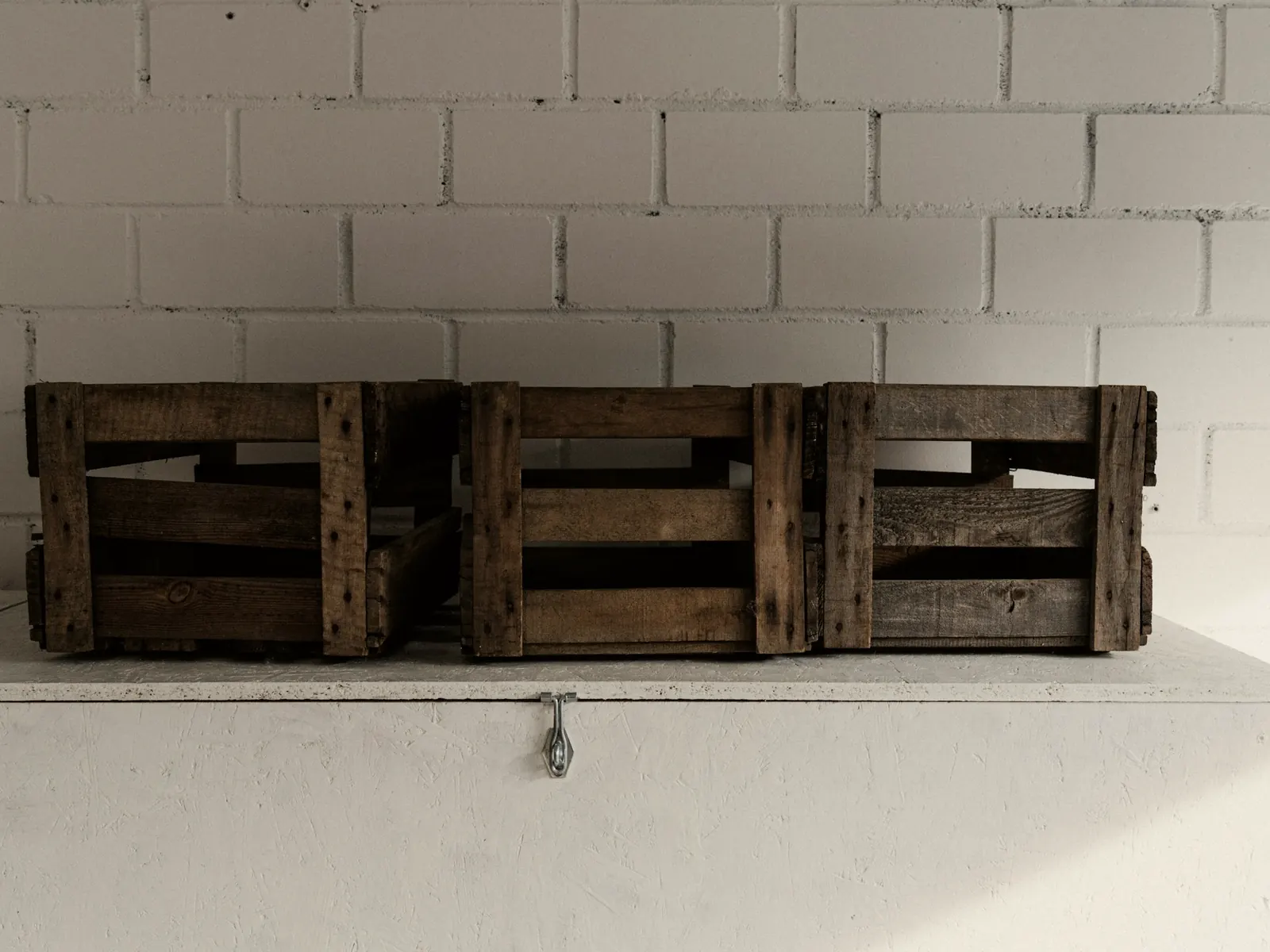
Bali relocation goods import means moving an entire household — furniture, appliances, wardrobe, art, sometimes a vehicle — through Indonesian customs to your villa door. Sea freight runs roughly 8–14 weeks door-to-door as of July 2026, air freight 5–10 days, and every item needs an itemized, valued inventory before anything sails. Bali Luxury Import plans the move end to end: packing at origin, routing, clearance through vetted licensed customs partners, and storage until your villa is ready.

Why Are Full-Household Moves to Bali Rising?

Bali stopped being a short-stay island some time ago. By early 2026 it had shifted toward a long-stay lifestyle destination led by expat families and remote professionals on KITAS and Second Home visa pathways, and Bali property sales grew 6.4% year-on-year in 2024 on foreign investment. Villa handovers in Canggu, Ubud, Seminyak and Sanur now come with a predictable follow-on question: how do we get our things here?

The honest answer: a household move to Bali is a customs project, not just a freight booking. Used goods still pass Bea Cukai assessment. Wood furniture needs timber-legality paperwork. Phones need IMEI registration to work on Indonesian networks. Cargo that lands before your villa is ready accrues storage and demurrage fees at port. Our desk exists to sequence all of it so none of it surprises you.

How Long Does a Bali Relocation Move Take?

Indicative durations, as of July 2026, subject to change:

StageWhat happensIndicative duration
BookVideo survey, itemized inventory, routing quote4–8 weeks before packing
PackExport packing, moisture-barrier wrapping, container loading2–4 days
SailOrigin port to Jakarta or Surabaya, transhipment toward Bali4–8 weeks (Europe/US); 2–4 weeks (Asia-Pacific)
ClearCustoms assessment, green- or red-channel routing5–15 working days
DeliverIsland trucking, white-glove unpacking at the villa3–10 days

Two routing realities shape those numbers. Cargo reaches Bali either through Ngurah Rai Airport cargo in Tuban or by sea through Java ports — Jakarta and Surabaya — with onward transhipment, and the two paths run on different clocks. Every shipment is also routed by Indonesian customs into a green channel (document-only review) or a red channel (physical inspection). A red-channel pull adds days, which is why clean paperwork beats a fast sailing every time.

What Does a Household Move to Bali Cost?

Desk estimates, indicative, as of July 2026, subject to change:

OptionSuitsIndicative budgetDoor-to-door time
20ft container (FCL)One- to two-bedroom homeUSD 6,500–11,000 from Europe/US8–12 weeks
40ft container (FCL)Three- to five-bedroom villa householdUSD 9,500–16,000 from Europe/US8–14 weeks
LCL consolidationPartial household, staged shipmentsUSD 180–320 per cubic metre10–14 weeks
Air freightEssentials and fragile high-value piecesUSD 6–12 per chargeable kg5–10 days
Climate-controlled storageGoods arriving before villa handoverUSD 8–15 per cubic metre monthlyUntil handover

Duty sits on top of freight. Import duty (bea masuk), VAT (PPN) and — for certain categories — luxury sales tax (PPnBM) are assessed on the CIF value (cost + insurance + freight) of your goods according to their HS-code classification. We prepare a dated estimate line by line; final duty is determined by Direktorat Jenderal Bea dan Cukai. And we never under-declare values to trim a bill — mis-declaration penalties in Indonesia can include fines and confiscation, so the official channel is the only channel we work.

What Paperwork Does a Used-Goods Shipment Need?

Used household goods are documented differently from new purchases. A typical file we assemble:

  • Itemized, valued inventory — every carton listed, with age and condition notes for used pieces
  • Passport plus long-stay evidence, such as a KITAS or Second Home visa where held
  • NPWP tax number, which can be required for imports
  • Power of attorney, since customs brokerage in Indonesia operates under it
  • SVLK or FSC timber-legality paperwork for wood furniture, plus fumigation or phytosanitary certificates where required
  • IMEI registration filings for any phones or cellular electronics in the load

Staged shipments get their own sequencing: essentials fly ahead by air, the container follows by sea, and anything that outruns your villa handover moves into storage rather than sitting at port collecting demurrage.
How Do You Protect Goods From Bali’s Climate?

Tropical humidity is the quiet risk in every relocation. Solid-wood furniture warps, canvases and textiles grow mold, and leather spots — often in the gap between arrival and handover, not at sea. Three mitigations do most of the work: moisture-barrier packing at origin, tropical-grade crating for art and high-value pieces, and climate-controlled storage on the island instead of open warehousing. We specify all three by default on full-household moves.

How Does Booking Your Move Work?

  1. Scope. Send a room-by-room video or photo set on WhatsApp; we turn it into an itemized inventory.
  2. Quote. Within about 48 hours you get routing options — FCL, LCL, air, or staged — each priced with a dated duty estimate.
  3. Documents. We collect passport, visa evidence, NPWP where required, and power of attorney for the brokerage file.
  4. Pack and sail. Vetted partner crews export-pack at origin; you receive sailing confirmation and tracking.
  5. Clear and deliver. Clearance through official channels, then white-glove delivery to the villa — or climate-controlled storage until handover day.

Plan Your Move

Tell us what you are moving, from where, and when the villa hands over. The Bali Luxury Import desk — part of Juara Holding Group, an Indonesian group operating from Bali across Indonesia since 2015 — replies with a scoped, dated plan, not a form letter.

Bali Luxury Import coordinates vetted licensed customs and freight partners; it is not itself a licensed customs, legal or tax adviser, and every figure above is indicative as of July 2026.

Frequently Asked Questions

Can I import used furniture and household goods into Bali?

Yes. Used household goods clear Indonesian customs with an itemized, valued inventory and are assessed on CIF value by HS-code classification, the same framework as new goods. Wood furniture additionally needs SVLK or FSC timber-legality paperwork and may require fumigation or phytosanitary certificates. Final duty treatment is determined by Direktorat Jenderal Bea dan Cukai.

Do I need a KITAS before my household shipment arrives?

Long-stay status — a KITAS or Second Home visa — strengthens a relocation-goods file, and an NPWP tax number can be required for imports. We sequence the shipment so your paperwork lands before the container does, because cargo waiting on documents accrues storage and demurrage fees at port. Bea Cukai makes the final call on any shipment’s treatment.

Can my shipment be stored until my villa handover?

Yes — it is one of the most-used options on full-household moves. Goods clear customs, then move into climate-controlled storage at an indicative USD 8–15 per cubic metre monthly as of July 2026, subject to change. That protects furniture, art and textiles from humidity and avoids open-ended port demurrage while your Canggu or Ubud villa finishes.

Should my container ship to Jakarta or directly toward Bali?

Most full containers sail into Java ports — Jakarta or Surabaya — then tranship onward to Bali, which usually offers more sailings and better rates; air cargo lands directly at Ngurah Rai in Tuban. The right split depends on your timeline: essentials by air, the household by sea. We quote both paths side by side, dated.

What happens if customs selects my shipment for inspection?

Indonesian customs routes every shipment into a green channel (document-only review) or a red channel (physical inspection). A red-channel pull adds days, not penalties — provided the inventory and declared values are accurate. Mis-declaration is what triggers fines or confiscation, which is why we build the itemized file carefully and declare through official channels only.

Handled by BD Juara Holding Group

Part of Juara Holding Group — operating from Bali across Indonesia since 2015

WhatsApp the concierge
Scroll to Top