
Vehicle Import · Collector Cars
Bali Classic Car Import for Collectors
Legal only through narrow, approval-based channels: collector cars are screened case by case before a dollar goes to freight. We coordinate vetted licensed partners to check eligibility, build your valuation file and move the car door to door.
Bali Luxury Import is the import-concierge desk of Juara Holding Group, operating from Bali since 2015. We are not a licensed customs, legal or tax adviser, and no concierge can guarantee a permit.
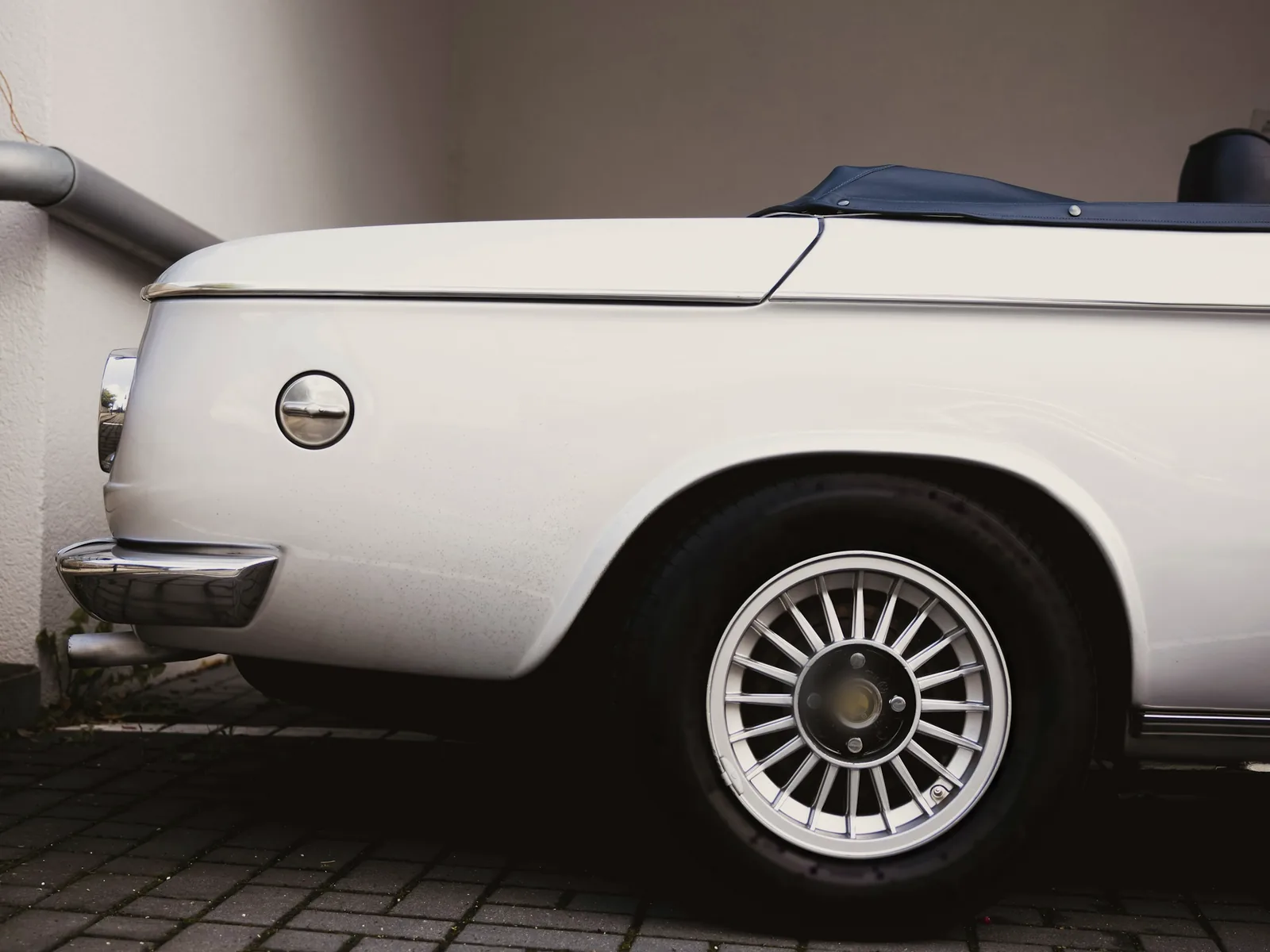
Exhibit 01 · The legality
Can You Legally Import a Classic Car into Indonesia?
Honesty first: Indonesia broadly prohibits the import of used vehicles for everyday use.
Collector and heritage cars move through limited, licence-based pathways. Eligibility turns on the specific vehicle, its documentation and the regulation in force on the day your application lands — and those rules change. What cleared in 2024 may not clear in 2026.
So every engagement starts with a pre-screen, not a booking. Our licensed customs partners — under power of attorney, with your NPWP where required — check the chassis and engine numbers, the ownership chain and the current restricted-goods status of the vehicle class.
If the car is not realistically importable, we say so before you spend on freight. Final decisions on both entry and duty rest with the Indonesian authorities, including Direktorat Jenderal Bea dan Cukai.
Exhibit 02 · The logistics
What Does a Collector-Grade Import Cost?
Logistics can be estimated upfront; bea masuk, PPN and PPnBM are assessed on CIF value by HS code at clearance.
Indicative as of 2026 and subject to change. Any duty figure quoted before clearance is indicative only; the final amount is determined by Direktorat Jenderal Bea dan Cukai. Sea freight lands at Jakarta or Surabaya, then tranships to Bali. Expect red-channel inspection — an uncleared car accrues storage and demurrage daily, the meter bonded storage switches off.
Exhibit 03 · The valuation file
Which Documents Prove Your Car’s Value?
A matching-numbers car bought a decade ago may be worth far more than its invoice; the file must support the declared value credibly in both directions.
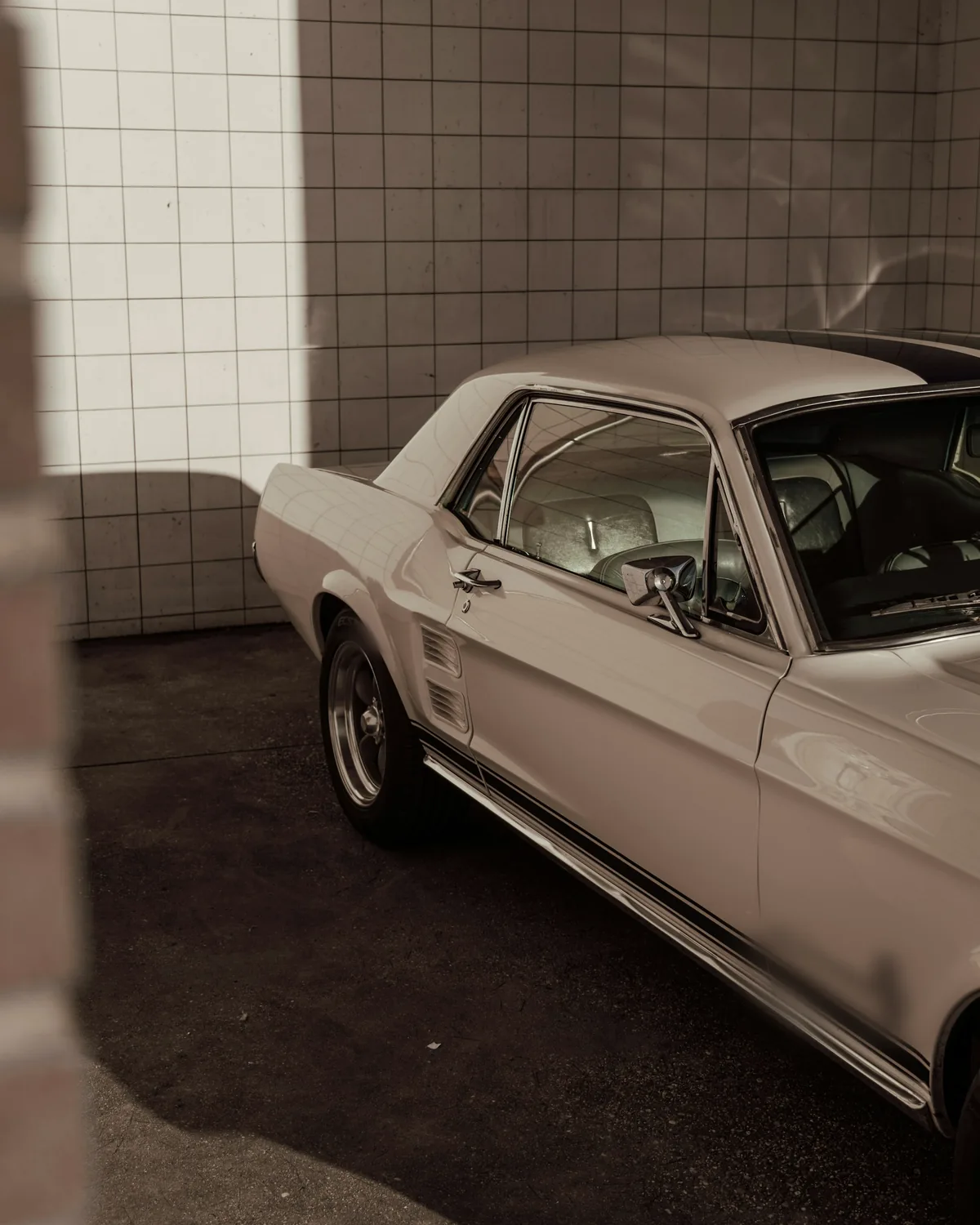
- 01 Ownership chain Titles, bills of sale and auction invoices back to the first documented sale.
- 02 Independent valuation An insurance valuation dated within the last 12 months.
- 03 Matching numbers Chassis and engine numbers photographed and matched against every document.
- 04 Restoration records Restoration history and parts invoices.
- 05 Marque certification Registry or owners’-club certification, where it exists.
- 06 Export approval Issued by the origin country.
- 07 NPWP An Indonesian tax number, or a plan to obtain one.
- 08 Agreed-value insurance Marine cover on agreed value, not a market-price fallback.
Under-declaring is not a strategy: mis-declaration penalties in Indonesia can include fines and confiscation, and we work the official channel only. Do not pack personal electronics inside the car — phones need separate IMEI registration, and loose items complicate physical inspection.
Exhibit 04 · The procedure
How Does Booking Work?
- 01 WhatsApp consultation Chassis number, photos and an ownership summary; an honest first read within one working day.
- 02 Eligibility pre-screen Licensed partners check the vehicle class against current regulation — a written go/no-go first.
- 03 Valuation file build The collector checklist, assembled into a clearance-ready dossier.
- 04 Freight & insurance Sole-use enclosed container, agreed-value marine cover, sailing confirmed to a Java port.
- 05 Clearance & duties Brokerage under power of attorney; duties assessed on CIF by DJBC; bonded storage on standby.
- 06 White-glove delivery Enclosed trailer to your villa, condition report on arrival, registration guidance via licensed partners.
Exhibit 05 · The climate
How Do You Protect a Classic Car from Bali’s Climate?
Tropical humidity is the quiet enemy of collector cars.
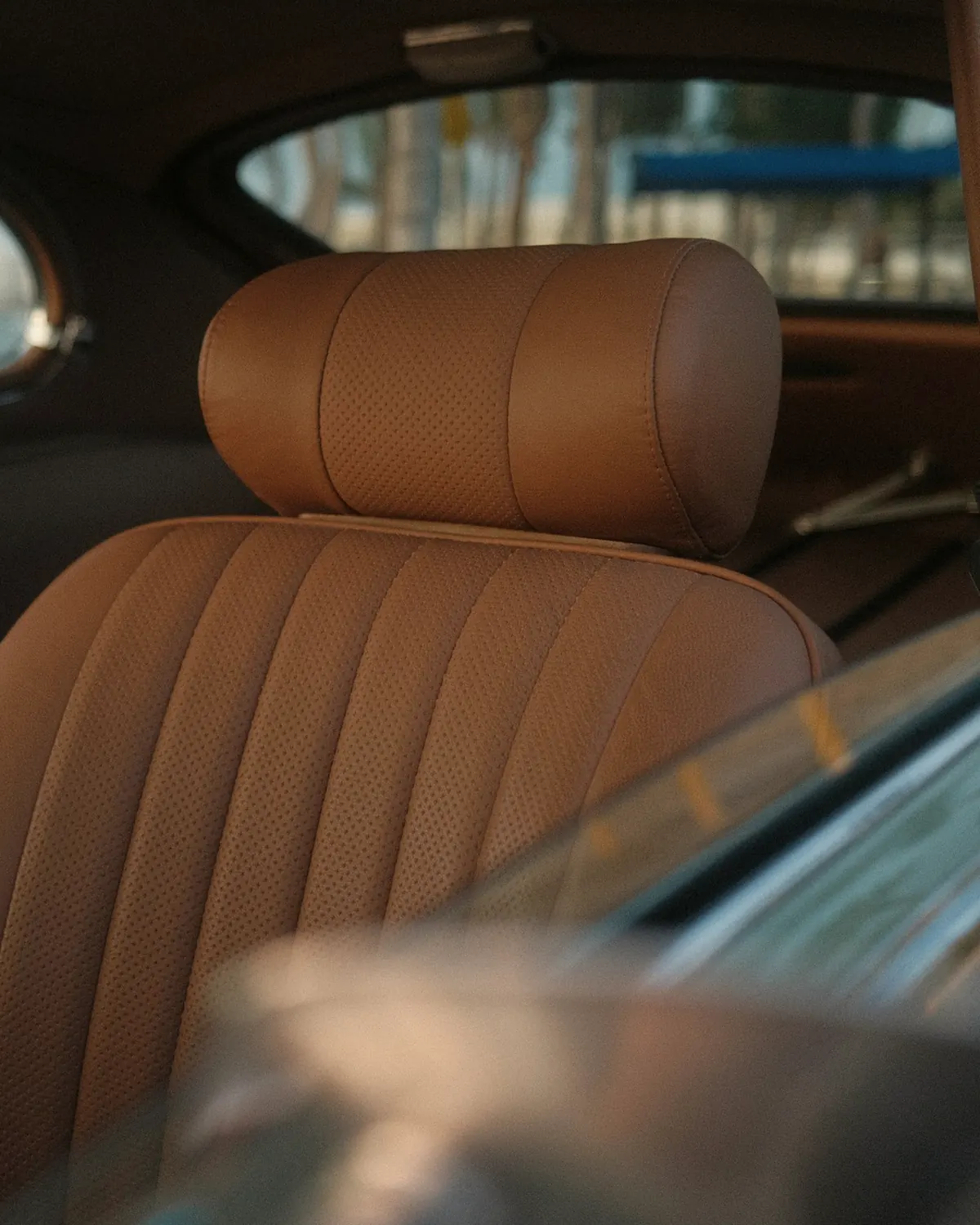
Mold blooms on leather and wool headliners, veneer and timber-framed coachwork warp, and unprotected brightwork corrodes faster than in temperate storage. Moisture is the main threat between the origin port and your garage, so we mitigate in four layers.
- 01 Moisture-barrier wrapping with desiccant, inside a sole-use enclosed container
- 02 Tropical-grade crating for any detached parts
- 03 Climate-managed bonded storage while licensing completes
- 04 An enclosed trailer for the final leg into Badung
Talk to your villa architect about dehumidified garage space early — arrival day should not be the first time anyone thinks about where the car will live.
The concierge desk
Book a Personal Consultation
One conversation tells you whether your car can realistically enter Indonesia and what it will take. Send the chassis number, photos and an ownership summary to begin.
WhatsApp +62 811-3941-4563
bd@juaraholding.com
Bali Luxury Import is the import-concierge desk of Juara Holding Group — operating from Bali across Indonesia since 2015. We coordinate vetted licensed customs and freight partners and are not ourselves a licensed customs, legal or tax adviser.
Exhibit 06 · Asked most